Precision machining & application-specific tooling
Cutting Tool Applications for Precision Manufacturing
Explore cutting tools for precision component manufacturing, metal machining, and specialized industrial applications.
Workpiece material · operation · dimensional requirements · production conditions
Explore by industry
Seven Application Areas
Tool selection depends on workpiece material, machining operation, dimensional requirements, and production conditions. Tungstool provides standard product ranges and drawing-based tooling options for technical review.
Browse the application areas below to identify common cutting challenges and the tooling categories usually involved. Recommendations remain subject to the specific workpiece material and cutting conditions.
01 · APPLICATION
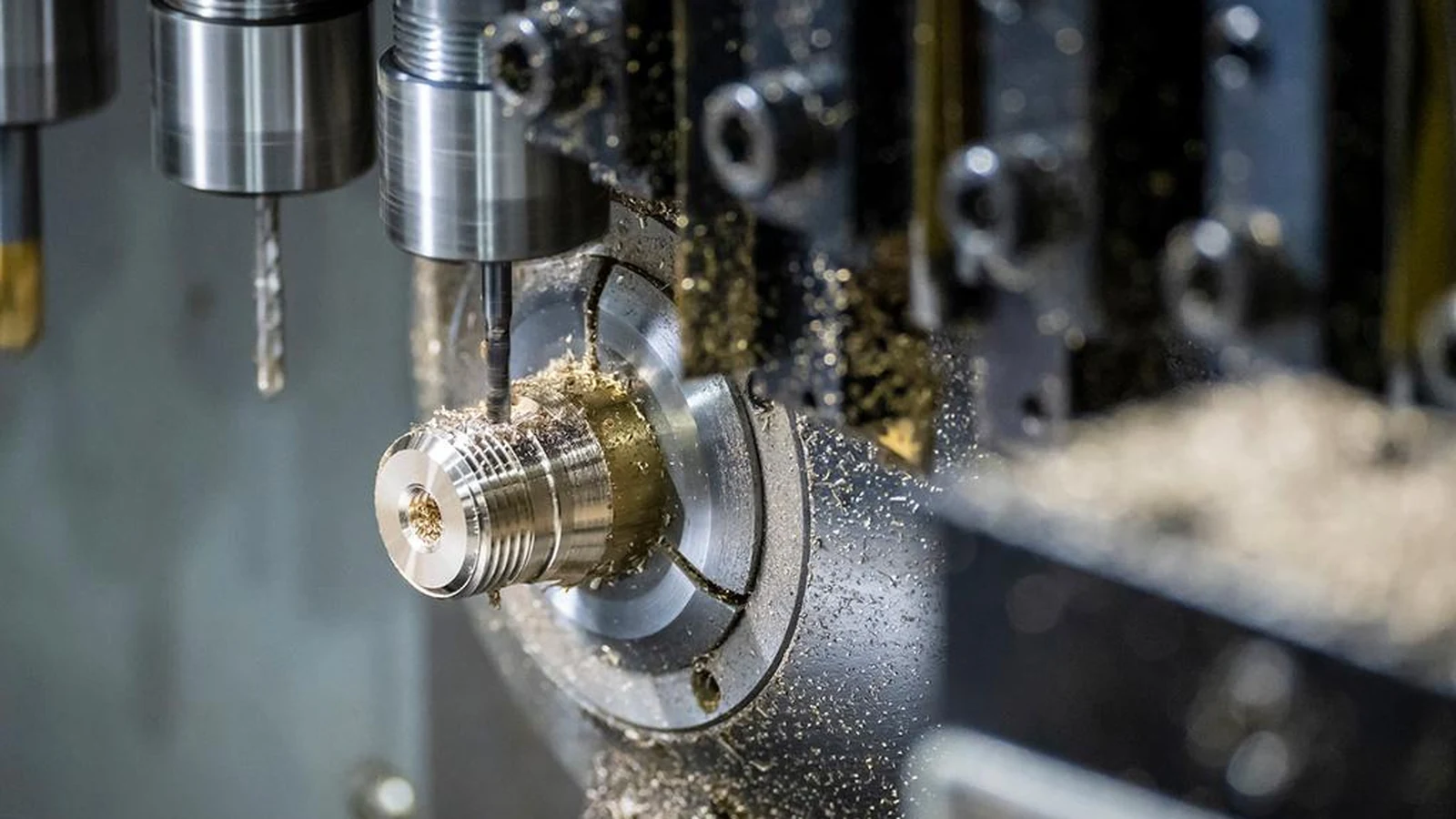
Swiss-Type & Precision Component Machining
Precision Cutting Tools for Small-Part Manufacturing
Swiss-type machining involves the production of small, complex components with demanding dimensional requirements.
Tool selection often requires careful consideration of cutting edge geometry, tool runout, limited machining space, and chip evacuation.
02 · APPLICATION
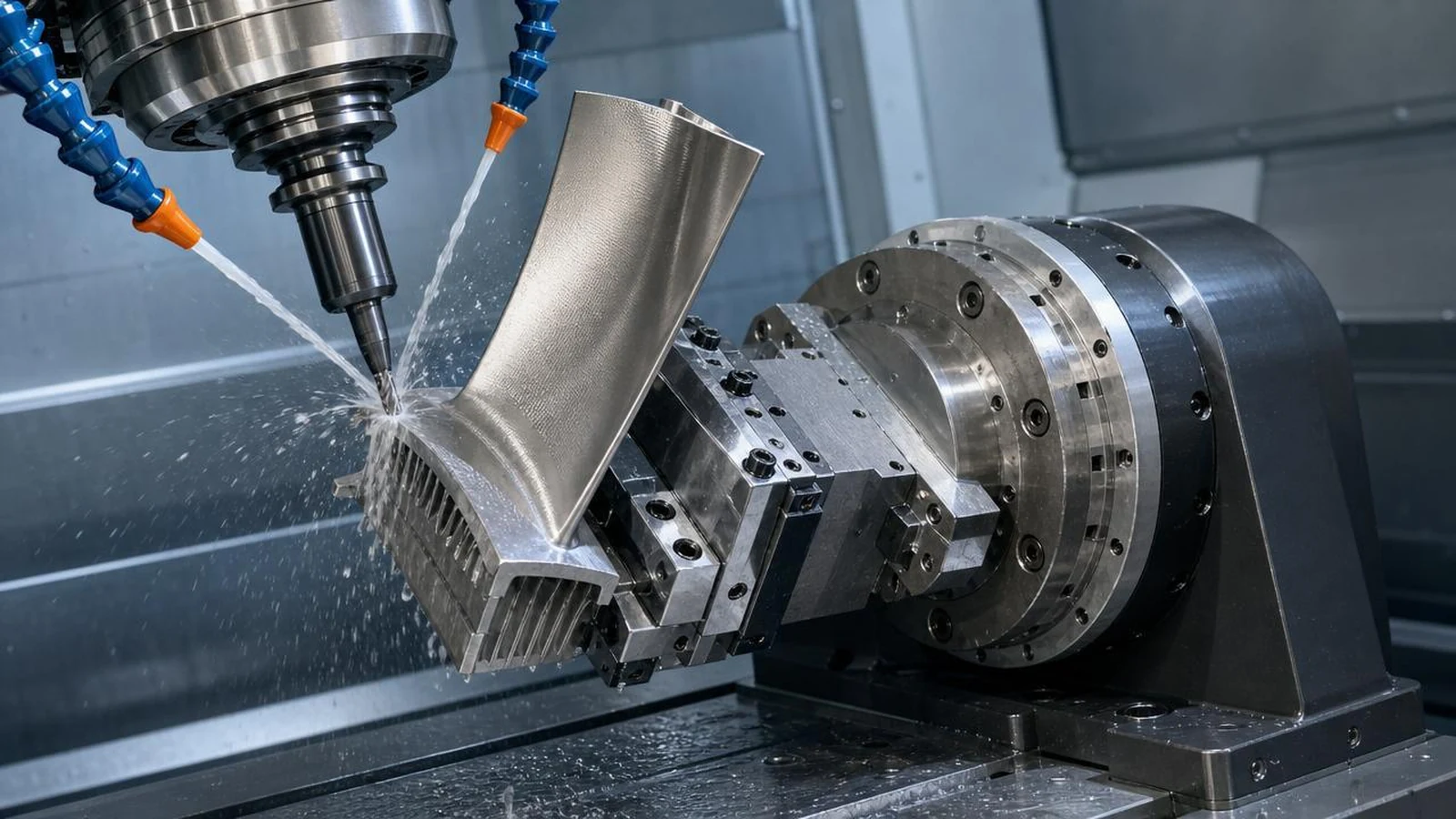
Aerospace & Heat-Resistant Alloy Machining
Cutting Tools for Demanding Workpiece Materials
Aerospace-related machining may involve titanium alloys, heat-resistant superalloys, stainless steels, and aluminum alloys.
These materials can present challenges involving cutting temperature, tool wear, chip formation, and dimensional stability. Tool selection must be based on the specific alloy and operation.
03 · APPLICATION
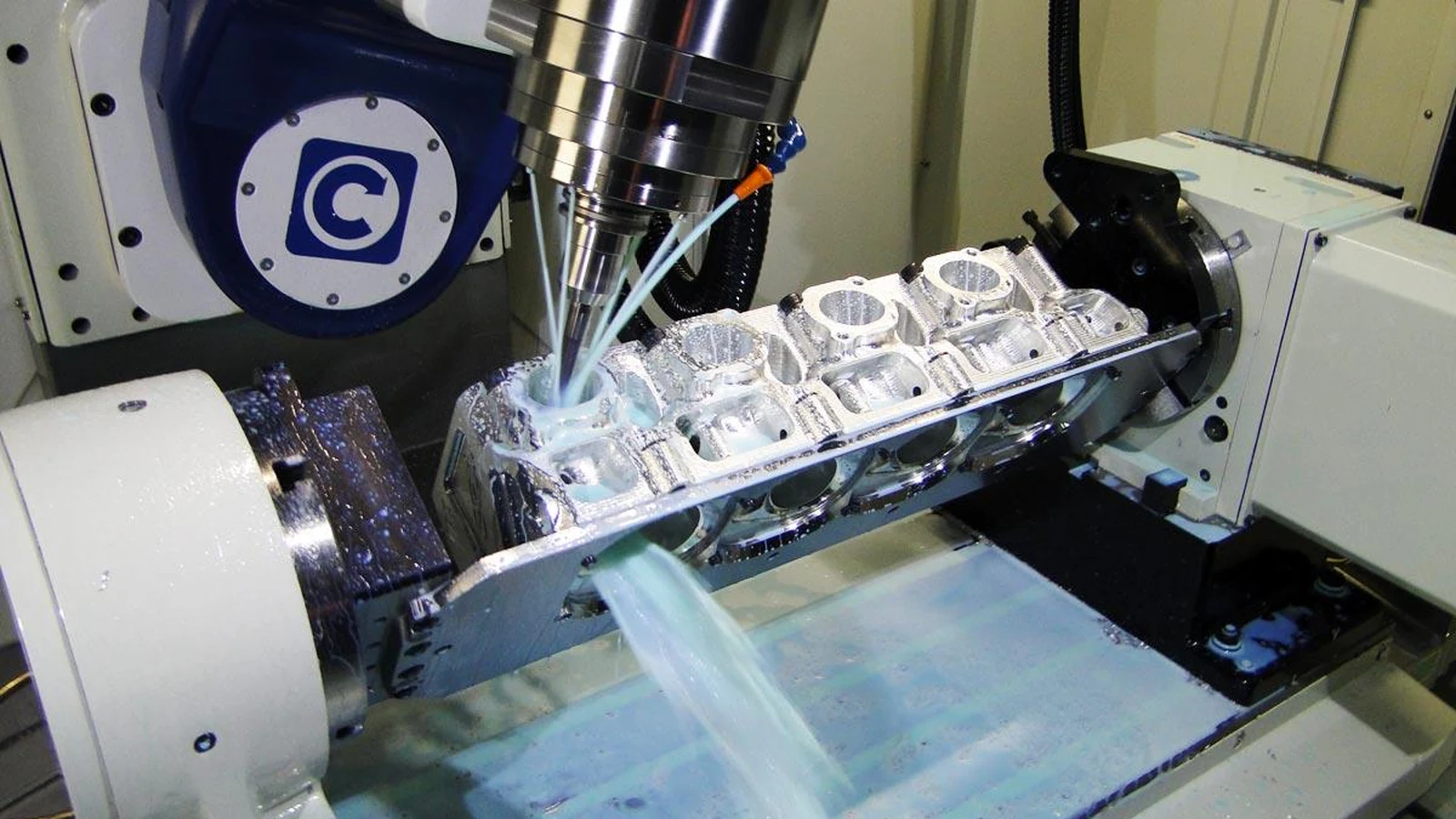
Automotive & General Engineering
Tooling for Repeatable Component Manufacturing
Automotive and general engineering applications involve milling, drilling, reaming, and precision cutting of steel, cast iron, aluminum alloys, and other industrial materials.
Tool selection should consider part geometry, production volume, tool life, and machining consistency.
04 · APPLICATION
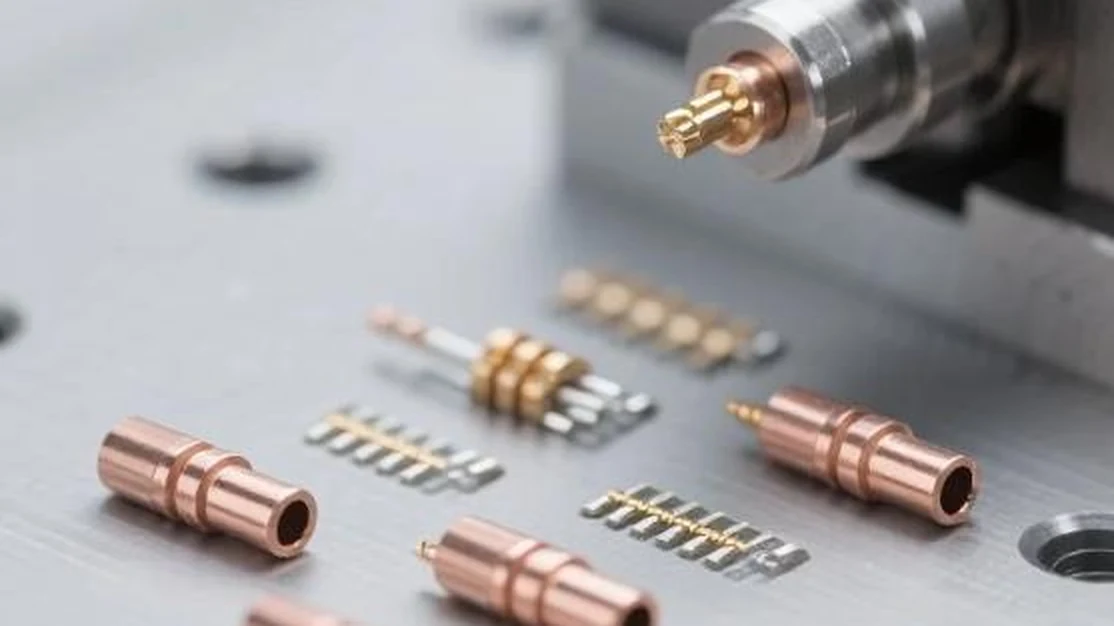
Electronics & Miniature Component Manufacturing
Precision Tooling for Small and Complex Features
Electronic and precision instrument components often require small cutting diameters, narrow slots, thin-wall machining, and controlled burr formation.
Suitable tool geometry, dimensional accuracy, and workholding are important for consistent machining results.
05 · APPLICATION
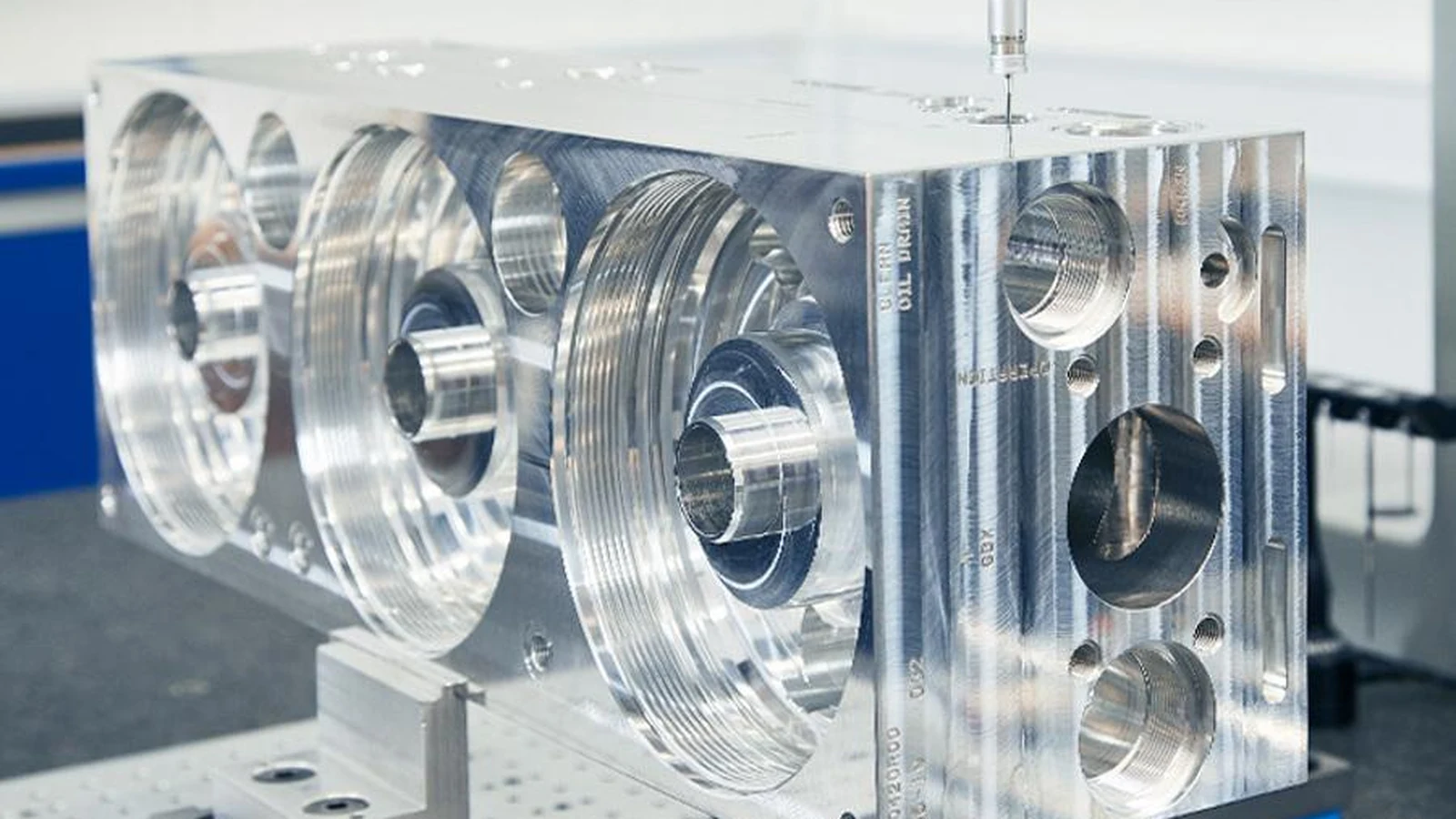
Hydraulic & Fluid Control Components
Tooling for Precision Bores and Internal Features
Hydraulic and pneumatic components often require controlled bore dimensions, internal grooves, sealing-related features, and consistent surface quality.
Tool selection depends on workpiece material, bore tolerance, accessibility, and the machining process.
06 · APPLICATION
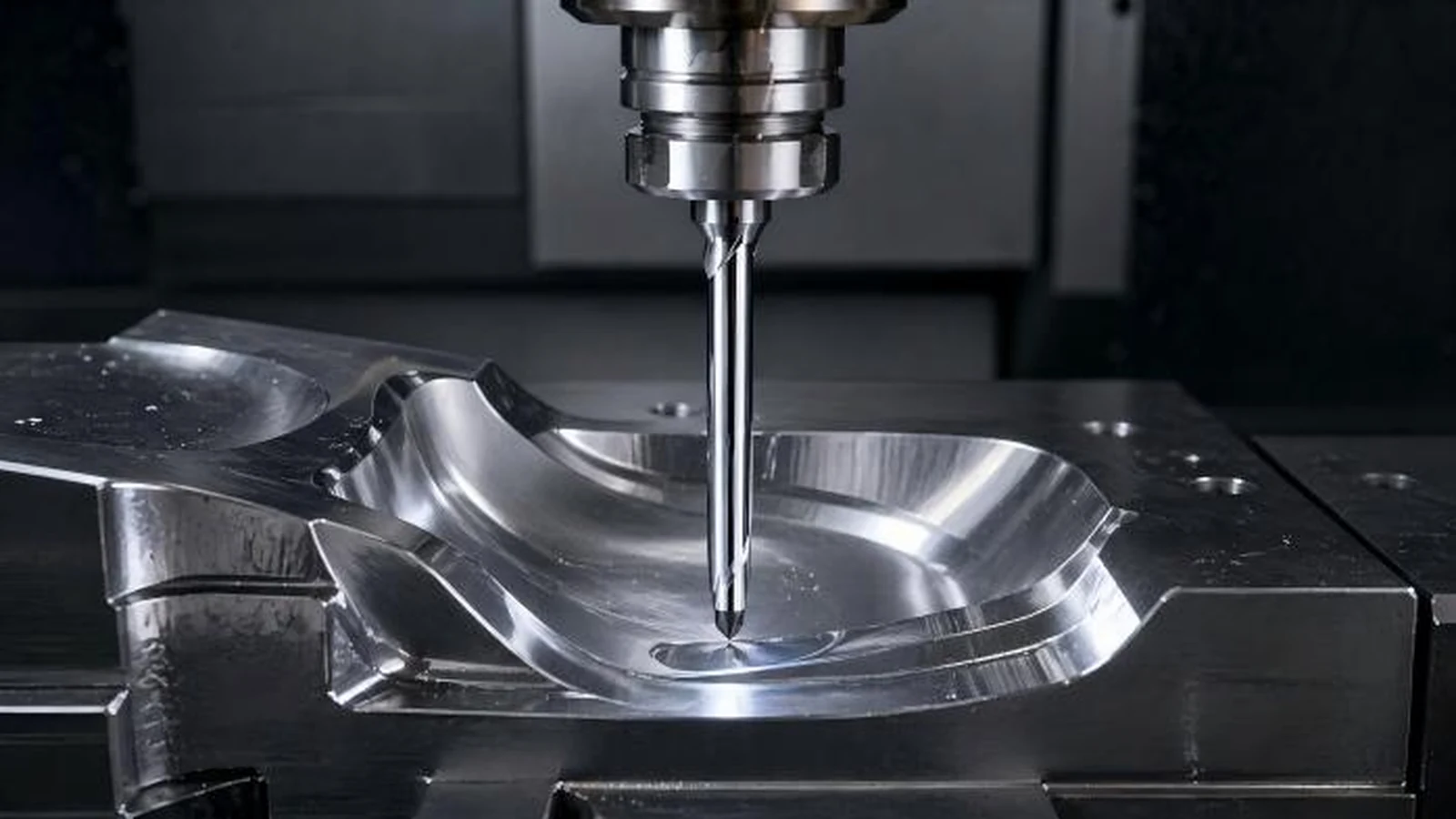
Mold & Die Manufacturing
Milling Tools for Complex Profiles and Precision Cavities
Mold and die manufacturing may involve cavity roughing, three-dimensional contour milling, hardened steel machining, and electrode manufacturing.
Different machining stages may require square, ball nose, corner radius, and application-specific end mills.
07 · APPLICATION
Fishing Rod Building & Grip Manufacturing
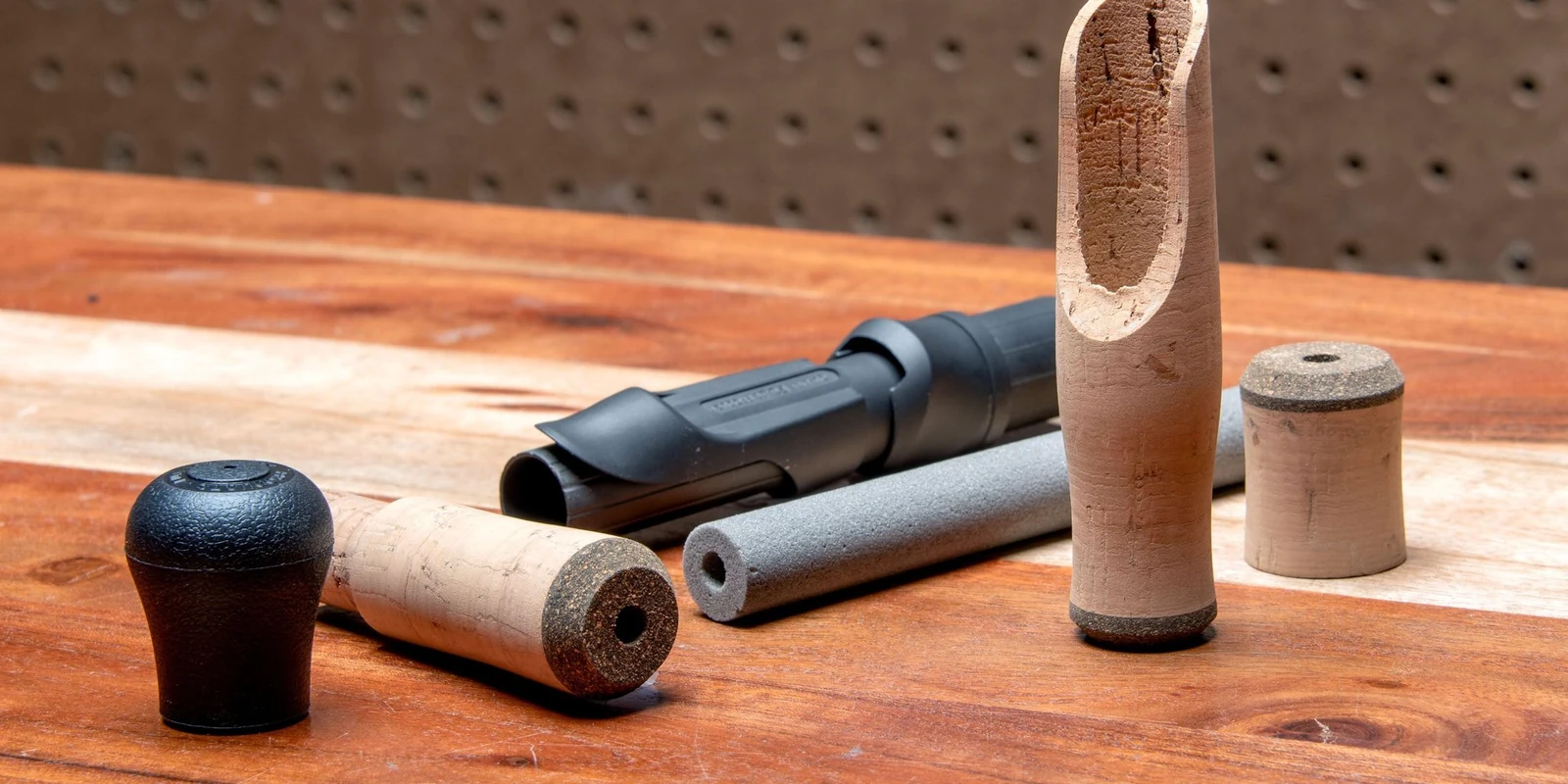
Precision Reaming Tools for Cork and EVA Grips
Fishing rod manufacturing and custom rod building require controlled grip boring to accommodate tapered rod blanks.
Tungstool Precision Tapered Fluted Reamers (PTFR) are designed for cutting and enlarging tapered bores in cork and EVA grips. The range includes five cutting-diameter options for different rod-building requirements.
Application engineering & custom tooling
Discuss Your Machining Requirements
Selecting an appropriate cutting tool begins with understanding the workpiece and the machining operation.
Share your workpiece material, required tool dimensions, machining application, order quantity, and technical drawing for review. Enquiries are reviewed against the drawing and the machine setup before a price and a date are quoted.